Source Gel Grip Tape for Office, School, and Decoration
Compare 30 gel grip tape options from verified suppliers. Buyers can evaluate adhesive types, materials like EVA foam and BOPP, and customization features for office, school, and decoration uses; compare the available evidence and request quotations based on your requirements.
Key considerations
Products List


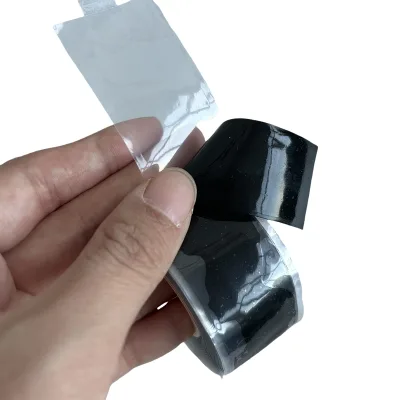


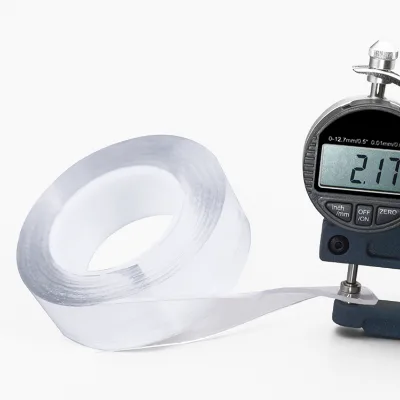
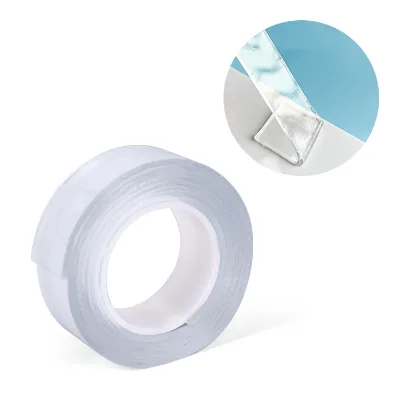


Comprehensive Sourcing Guide
Gel Grip Tape Sourcing Guide
Sourcing gel grip tape requires a nuanced understanding of adhesive chemistry and substrate compatibility, as these products serve diverse industrial and consumer needs. Buyers must distinguish between pressure-sensitive acrylic adhesives and water-based formulations, as each offers distinct performance characteristics regarding tack, residue, and environmental resistance. The market presents a wide array of options, from basic EVA foam tapes to advanced nano-tape solutions, each tailored for specific mounting, insulation, or decorative applications. Understanding these material differences is critical for selecting the right product for your operational requirements.
Procurement decisions should be guided by observed listing signals that indicate product quality and supplier reliability. Key attributes such as hardness, transparency, and layering level provide immediate insights into the tape’s physical properties and intended use case. For instance, opaque, soft tapes may be suitable for cushioning or insulation, while transparent, wear-resistant options are better for visible mounting or labeling tasks. Buyers should carefully review these observable traits to ensure alignment with their specific project specifications, avoiding assumptions based solely on product names or generic descriptions.
Product Scope and Observed Listing Signals
The product scope for gel grip tape encompasses a variety of forms, including double-sided tapes, industrial rolls, and specialized nano-tapes. Observed listings reveal models such as LS-ANT and WP-WD-223, which cater to different thicknesses and widths, ranging from 8mm to 96mm. These variations allow for precise customization in terms of length, with options like 1m, 3m, 5m, or 15m rolls. Buyers should verify the specific model numbers and dimensions to ensure compatibility with their existing machinery or installation processes, as mismatched specifications can lead to operational inefficiencies.
Listing signals also highlight important features such as waterproofing, heat resistance, and washability, which are crucial for long-term durability. Some products are designed for high-temperature environments, while others offer normal temperature resistance with acrylic adhesives. Additionally, the presence of features like reusability and wear resistance indicates a higher grade of performance, suitable for frequent use or heavy-duty applications. Buyers must cross-reference these features with their operational conditions to select a tape that can withstand the expected environmental stresses without degradation.
Technical Specifications to Verify
Technical verification begins with confirming the adhesive type and core material, as these factors dictate the tape’s bonding strength and longevity. Acrylic adhesives are commonly used for their clarity and weather resistance, while water-based glues may offer easier removal or specific environmental benefits. Buyers should also verify the thickness options, which can range from 0.5mm to 1mm or be customized to specific needs. Ensuring that the thickness matches the substrate’s requirements is essential for achieving optimal adhesion and preventing issues like bubbling or peeling over time.
Width and length specifications are equally critical, with standard widths ranging from 12mm to 48mm and lengths varying from 1m to 15m. The paper core diameter, often 76mm (3 inches), must be compatible with dispensing equipment to ensure smooth operation. Additionally, buyers should check the transparency and color options, as some applications require invisible mounting, while others benefit from colored tapes for identification purposes. Verifying these dimensions and material properties against your technical drawings or operational standards will prevent costly mismatches and ensure seamless integration into your workflow.
Compliance and Safety Documentation
Compliance with international standards is a non-negotiable aspect of sourcing gel grip tape, particularly for industrial and export-oriented applications. Buyers should request documentation for certifications such as ISO9001:2008 and SGS, which indicate adherence to quality management and safety protocols. These certifications provide assurance that the manufacturer follows consistent production processes and meets recognized industry benchmarks. Verifying these credentials helps mitigate risks associated with product failure or non-compliance in regulated markets, ensuring that the tape meets both legal and operational requirements.
Safety documentation should also include information on material composition and environmental impact, especially if the tape is used in sensitive environments. RoHS compliance is a key indicator for products intended for electronic or consumer goods, ensuring the absence of hazardous substances. Buyers must confirm that the supplier provides up-to-date safety data sheets (SDS) and test reports, which detail the tape’s chemical properties and handling instructions. This documentation is essential for maintaining workplace safety and ensuring that the product aligns with your company’s sustainability and regulatory goals.
Cost Drivers and Commercial Terms
Cost drivers for gel grip tape include material quality, adhesive formulation, and customization requirements. Premium materials like BOPP or PVC, along with specialized adhesives, can increase the unit price but offer superior performance and durability. Buyers should also consider the impact of customization, such as specific widths, lengths, or packaging options, which may incur additional charges. Understanding these cost factors allows for more accurate budgeting and helps in evaluating the total cost of ownership, rather than just the initial purchase price.
Commercial terms, including minimum order quantities (MOQ) and delivery times, significantly influence procurement strategy. Observed MOQs can range from 1 to 20,000 units, with larger orders often benefiting from economies of scale. Delivery times typically range from 25 to 30 days after deposit payment, depending on the supplier’s production capacity and logistics arrangements. Buyers should negotiate clear terms regarding payment schedules, shipping responsibilities, and penalties for delays to ensure a smooth transaction process and maintain supply chain stability.
Supplier Qualification and Quality Control
Supplier qualification involves assessing the manufacturer’s production capabilities, quality control systems, and track record. Buyers should verify the supplier’s origin, such as Guangdong, China, and their ability to provide standard export cartons or customized packaging. A robust quality control process, including in-line inspections and final product testing, is essential to ensure consistency and reliability. Requesting samples before placing large orders allows buyers to evaluate the tape’s physical properties and adhesive performance firsthand, reducing the risk of receiving substandard products.
Quality control checks should also include verification of packaging integrity and labeling accuracy, as these factors impact storage and handling. Buyers should confirm that the supplier provides clear labeling with product specifications, batch numbers, and expiration dates, if applicable. Additionally, establishing a clear communication channel for addressing quality issues or returns is crucial for maintaining a productive supplier relationship. Regular audits or third-party inspections can further enhance confidence in the supplier’s ability to meet your quality standards and deliver consistent performance.
Long-Term Procurement Checks
Long-term procurement success depends on establishing a framework for continuous supplier evaluation and performance monitoring. Buyers should implement regular reviews of supplier quality, delivery reliability, and responsiveness to issues. Tracking key performance indicators (KPIs) such as defect rates, on-time delivery percentages, and customer satisfaction scores provides objective data for making informed sourcing decisions. This proactive approach helps identify potential problems early and fosters a collaborative relationship with suppliers focused on continuous improvement.
Additionally, buyers should stay informed about market trends and technological advancements in adhesive materials to ensure their sourcing strategy remains competitive. Regularly updating technical specifications and compliance requirements based on industry changes helps maintain product relevance and safety. Building a diversified supplier base can also mitigate risks associated with single-source dependencies, ensuring business continuity in the face of supply chain disruptions. By prioritizing long-term partnerships and strategic oversight, buyers can secure a reliable supply of high-quality gel grip tape that supports their operational goals.
FAQs
What materials are used for gel grip tape?
The product is primarily made from EVA Foam or BOPP materials depending on the specific model. Some variants also utilize PVC and PET layers with thicknesses ranging from 50 to 100 microns. These materials ensure durability and specific adhesive properties for various applications.
Can the tape be customized for specific needs?
Yes, customization is available for this adhesive tape product. Buyers can request specific dimensions, packaging options, or material adjustments. The standard export cartons can also be modified to meet unique order requirements while maintaining quality standards.
Which certifications do the manufacturers hold?
Manufacturers typically hold ISO9001:2008 and SGS certifications for quality assurance. Some product lines also comply with RoHS standards to ensure safety and environmental compliance. These certifications verify that the production processes meet international industrial tape requirements.
How long is the delivery time for orders?
The standard delivery time is 25 to 30 days after the deposit payment is received. This lead time applies to bulk orders meeting the minimum quantity requirements. Buyers should plan their procurement schedule accordingly to ensure timely receipt of goods.
What is the minimum order quantity for this tape?
The minimum order quantity varies significantly, ranging from 1 unit up to 20,000 units depending on the supplier. Some industrial specifications require a minimum of 10,000 square meters. Buyers should verify the specific MOQ with the selected vendor before placing an order.
Where are these adhesive tapes manufactured?
The products originate from China, specifically from the Guangdong region. This location is a major hub for manufacturing industrial and office tapes. Buyers can expect efficient logistics from the Shenzhen loading port for international shipments.
What are the temperature resistance properties of the tape?
The tape offers high temperature resistance for certain models and normal temperature resistance for others. This feature makes it suitable for various environments including office, school, and industrial decoration uses. The adhesive remains effective under specific thermal conditions.